


Stellantis vows to slash EV battery weight in half—but can they really deliver?
Stellantis CEO Carlos Tavares has set his sights on a lofty goal: cutting EV battery weight in half within the next decade. It’s a bold move, aimed at steering the future of electrification towards a more sustainable path.
Currently, EVs pack on an extra 1,000 pounds due to their batteries, a significant difference that not only impacts vehicle efficiency but also raises concerns about the environmental toll of sourcing vast amounts of raw materials, like the lithium that’s crucial for battery production.
Speaking passionately at the Stellantis’ Freedom of Mobility Forum, Tavares outlined why slimming down these batteries isn’t just a matter of improving mileage or performance. It’s about aligning the promise of EVs with genuine environmental benefits. After all, what’s the point of driving electric if the planet pays the price in other ways?
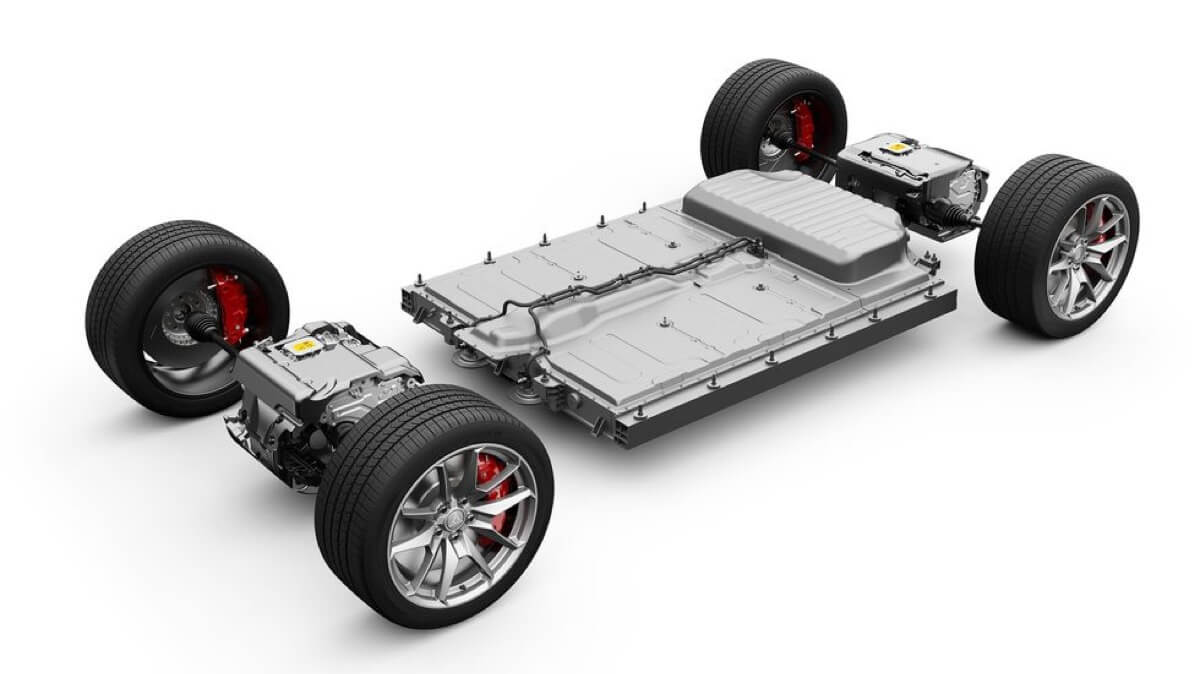
More than just about ditching weight, the road to lighter batteries is a journey towards reducing the reliance on scarce resources such as lithium, which has its own environmental baggage due to mining. By halving the battery weight, Tavares envisions a lighter load for EVs and a lighter footprint on the planet.
Stellantis is already gearing up for an electrified future with ambitious plans to sell 5 million battery electric vehicles (BEVs) annually by 2030. With more than 75 BEV models expected to hit the roads by the end of the decade, Stellantis is betting big on electrification, with a special focus on Europe and the United States.
Driving this electrification charge are Stellantis’ innovative vehicle platforms and electric drive modules, designed to accommodate a range of 300 to 500 miles. These platforms are the foundation upon which the company aims to build lighter, more efficient, and environmentally friendly vehicles.
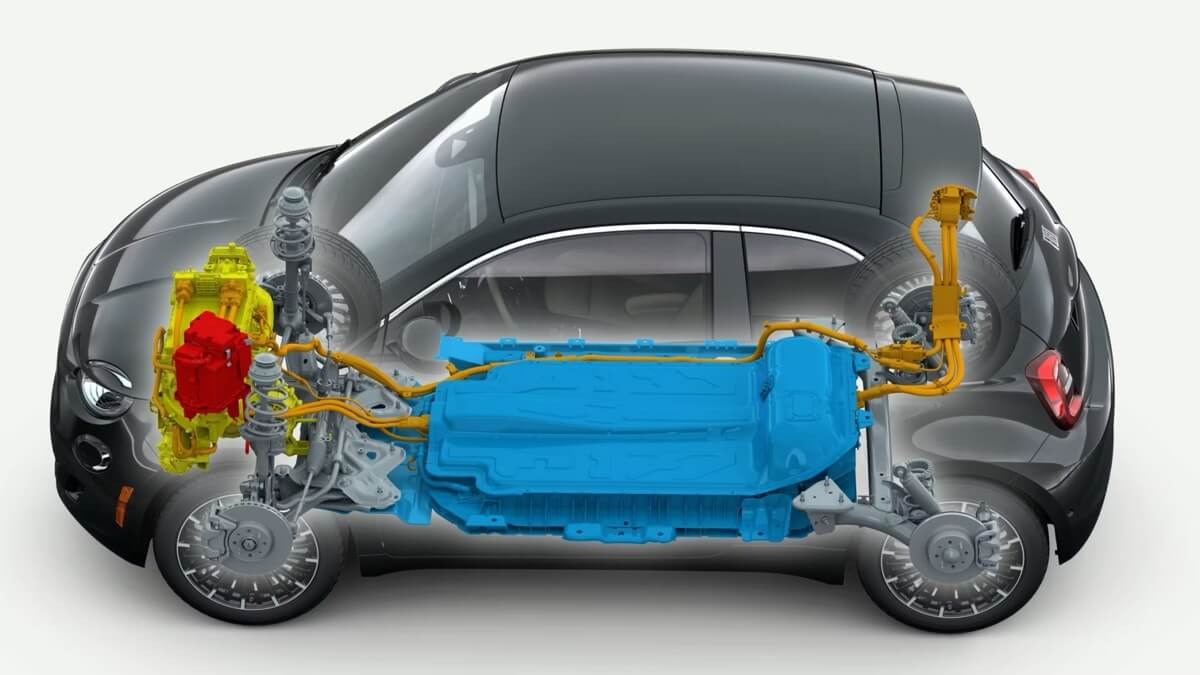
While Tavares acknowledges the potential of alternative technologies like hydrogen, he remains steadfast in his belief that electrification, spearheaded by advances in battery technology, is the way forward. The CEO is especially optimistic about the advent of solid-state batteries, which promise to be lighter, more energy-dense, and safer than current options. This technology, expected to hit the market around 2026-2027, could be the key to unlocking Tavares’ vision of halved battery weights.
As Stellantis pushes the boundaries of what’s possible in EV technology, it’s clear that the race to electrify isn’t just about who gets there fastest; it’s about who does it in a way that benefits both drivers and the planet.


